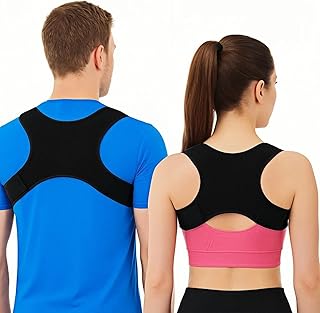
In today's digital age, where many of us spend hours hunched over computers and smartphones, poor posture has become a widespread issue. This can lead to a cascade of problems, including chronic neck pain, shoulder tension, upper and lower back pain, and even conditions like hunchback (kyphosis) or exacerbated scoliosis. Fortunately, modern solutions like posture correctors offer a practical and non-invasive way to retrain your body and find relief.
What is a Posture Corrector and How Does It Work?
A posture corrector is a supportive device, often in the form of a back brace or harness, designed to gently pull your shoulders back and align your spine. It doesn't force you into position but provides consistent sensory feedback. When you start to slouch, the device creates a gentle pull or pressure, reminding you to sit or stand up straight. Over time, this helps strengthen the muscles responsible for good posture and can lead to lasting improvement.
Key Benefits of Using a Posture Support Device
The primary benefit is, of course, pain relief. By aligning the spine and taking pressure off muscles and nerves, these devices can significantly reduce discomfort in the neck, shoulders, and back. They are particularly helpful for hunchback correction and providing thoracic support. Beyond pain, improved posture boosts confidence, increases lung capacity, enhances digestion, and can prevent long-term degenerative issues.
Types and Features to Look For
When shopping for a posture corrector, you'll encounter various designs. Upper back braces focus on the shoulders and thoracic spine, while full back models offer extended lumbar support. Here are crucial features to consider:
Adjustability: A proper fit is essential. Look for an adjustable posture brace with straps you can customize for comfort and effectiveness. Products like the HLOES Posture Corrector and the KNXWALT Posture Corrector highlight their adjustable designs, which are key for a personalized fit.
Comfort and Breathability: You'll likely wear it for extended periods. Breathable mesh materials, like those found in the Upgraded Breathable Full Back Support model, prevent overheating and skin irritation. Comfort is paramount for consistent use.
Discreet Design: For all-day wear under clothing, an invisible posture aid is ideal. The Vaunn® Back Correction Belt and the Fit Geno Posture Corrector Invisilite are specifically marketed as being lightweight and invisible under clothes, making them perfect for office or social settings.
Targeted Support: Some are designed for specific needs. For example, the Kepwaa Posture Corrector offers full back support and is FSA/HSA eligible, which is a significant benefit for those using health savings accounts. The WNIEYO Back Brace mentions support for scoliosis, catering to a specific condition.
How to Choose the Right Posture Corrector for You
Choosing the right device depends on your individual needs. Consider where your pain is most concentrated. Is it in your neck and upper back, or does it extend to your lower back? For general shoulder pain relief and slouching correction, an upper back brace like the Fit Geno Posture Corrector for Women might suffice. For more comprehensive issues or lower back pain, a full back support model is better.
Read detailed reviews to understand real-world performance. Our Ultimate Guide to Posture Correctors and specific reviews like the Fit Geno Posture Corrector Review can provide invaluable insights into comfort, durability, and effectiveness.
Using Your Posture Corrector Effectively
A posture corrector is a tool for retraining, not a permanent crutch. Start by wearing it for short periods (30-60 minutes) a few times a day, gradually increasing the duration as your muscles adapt. It should feel supportive, not painfully restrictive. Combine its use with strengthening exercises for your core, back, and shoulder muscles for the best long-term results. Remember, consistency is key to achieving lasting posture improvement.
Investing in a quality posture corrector can be a transformative step towards a pain-free life and better overall health. By understanding the different types, key features like adjustability and breathability, and choosing a model that fits your specific needs—whether it's the discreet UltraSupport+ or the comprehensive Adjustable Upper Posture Support—you can take proactive control of your spinal health and posture.